As a local government reporter, I’ve spent hours listening in on public meetings — and people don’t often believe me when I say they can be bizarre.
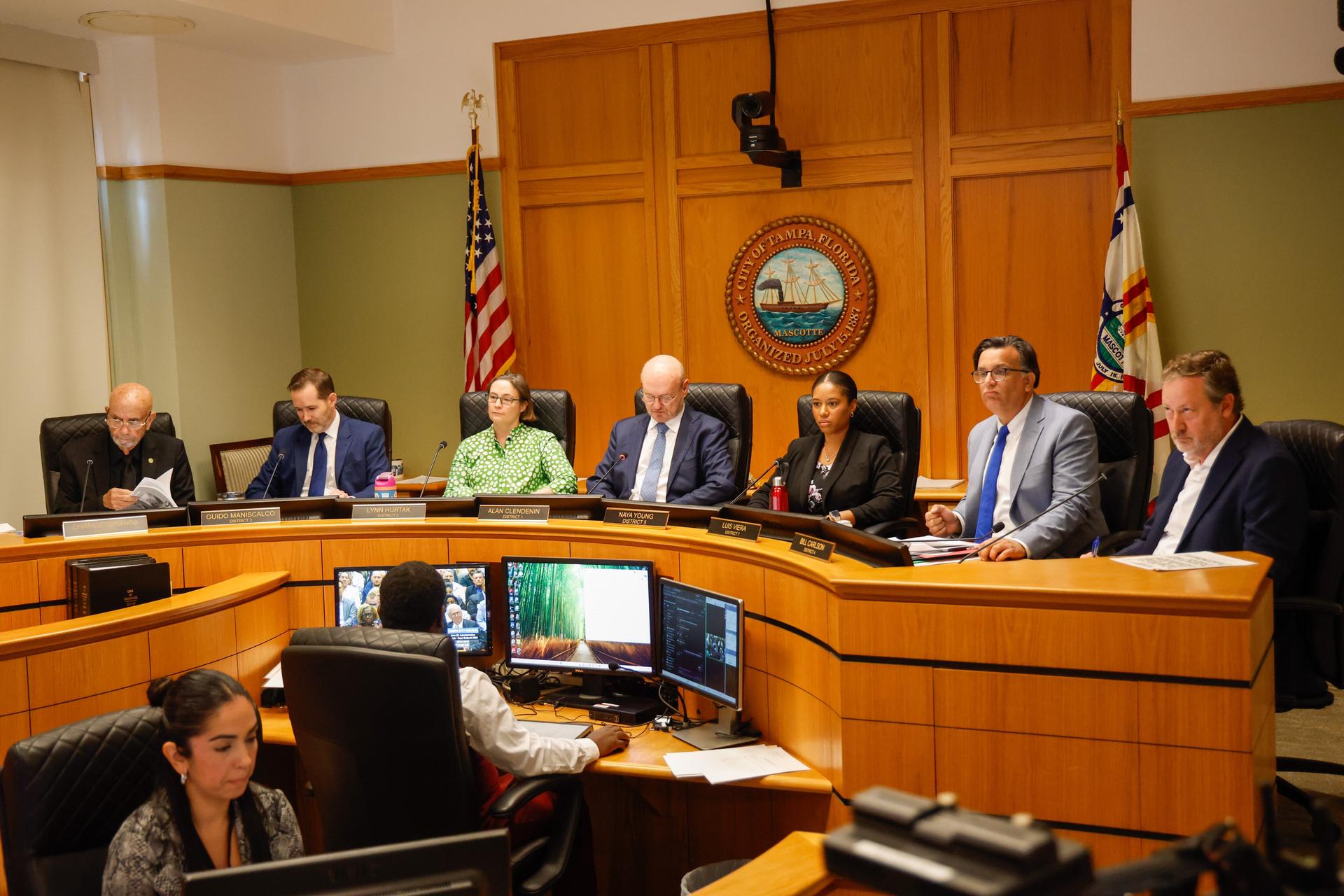
The next time I meet a skeptic, I’ll point them toward last Thursday’s Tampa City Council meeting, which became the unlikely stage for a debate about a topic fundamental to our political system: free speech.
The controversy began that morning when an unfamiliar face stood before the council during public comment. His name is Alex Stein, a conservative influencer and comedian known for disrupting local government meetings across the country.
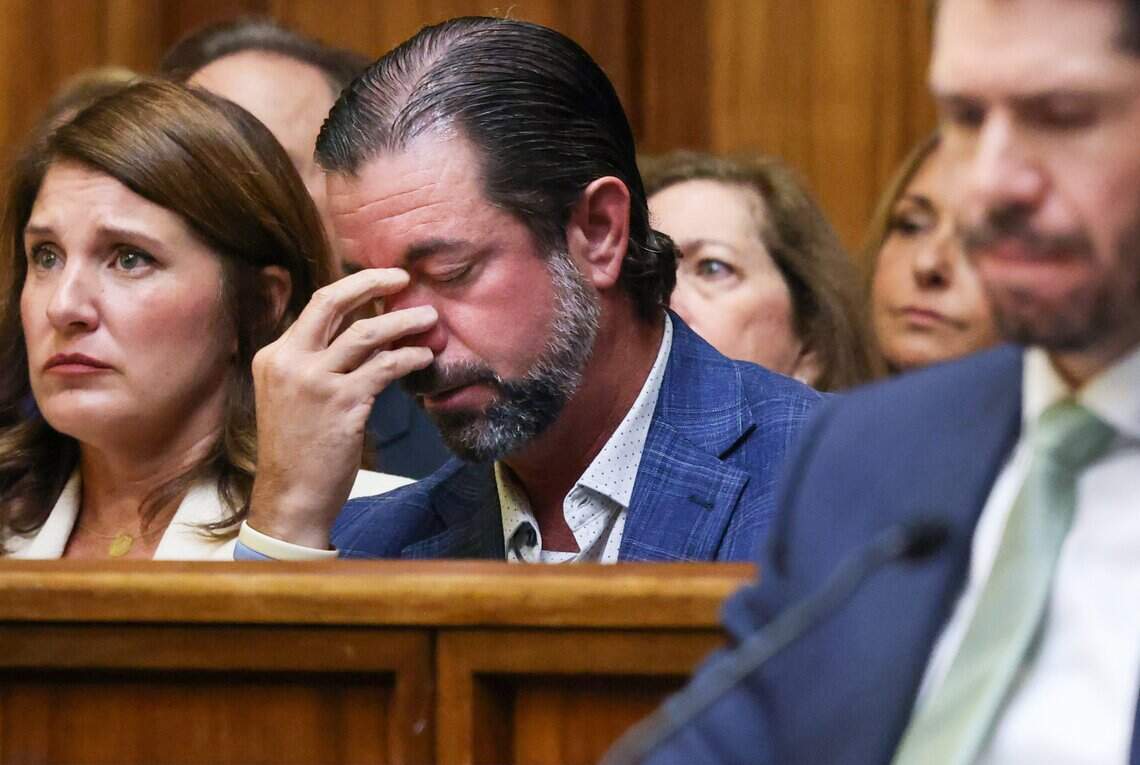
Stein’s fiery speech, which included vulgar comments and accusations about the mayor’s sexuality, dropped jaws around the room. Some people laughed. Others grimaced. Council members, meanwhile, sat stone-faced on the dais.
Stein’s conduct begged the question: Should there be limits on what members of the public can say during government meetings?
The answer is, unsurprisingly, murky.
As they stand today, the City Council’s rules allow anyone to speak on any issue during public comment. Gripes about city business, thoughts on last night’s soccer match, what you ate for breakfast — all fair game. Each speaker gets three minutes at the start of the meeting, and there is no limit on the number of speakers (hence why, earlier this year, I was at City Hall until 1 a.m. after more than five hours of public comment).
The council’s rules are more lax than than many jurisdictions in Florida, in part because council members say they like to be as accessible as possible. But some said there should be stricter rules to prevent speech like Stein’s.
“Without order, and some level of regulation,” said council member Luis Viera, “we’re going to be in chaos.”
City Council Attorney Martin Shelby warned the council’s current openness could come with consequences.
Shelby said that the U.S. Supreme Court recognizes several types of public forums. Parks and sidewalks are traditional public forums, where even hateful or offensive speech is generally protected. Limited public forums, on the other hand, are spaces the government opens for public expression only on specific topics or for specific speakers. In those settings, Shelby said, officials have “more authority to restrict topics and more authority to maintain decorum.”
By allowing “as many people to show up on any given day to talk about you-don’t-know-what,” Shelby said, “what that says, potentially, to the court is that maybe this is more of a traditional public forum, not a limited public forum, so you’re not entitled to those protections.”
What do you think? Should elected officials limit public expression during meetings?
—
Are you a Florida politics fanatic? Or just someone who wants to stay informed? You can now sign up for text messages from Times political editor Michael Van Sickler to get Florida politics straight to your phone. Sign up here.