What a difference two days make.
On Monday, as Florida lawmakers headed to Tallahassee for a special session aimed at slashing property taxes on homesteads, school officials fretted that the proposals would siphon billions from their coffers.
By Tuesday evening, the Legislature had removed schools from the equation. The decision calmed educators’ worries, but didn’t silence critics who argued that districts were spending too much on administration as their student populations dip.
Homeowners are hurting, some argued. Why exclude school district taxes from the mix?
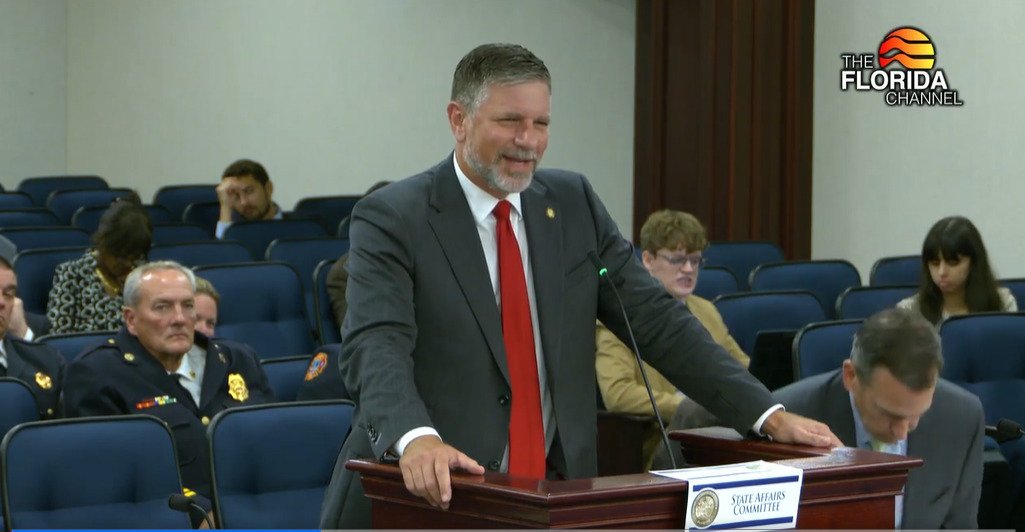
In brief remarks, sponsors of the amendments acknowledged that education funding could benefit from a makeover. But as districts already are closing schools and cutting positions to confront declining birth rates and rising voucher use, Sen. Jay Trumbull suggested that now is not the time to place more financial stress on the system.
Beyond that, school districts “don’t have the ability to be nimble and flexible like local governments do,” Rep. Sam Garrison, the incoming House speaker, said during committee discussion.
What did he mean by that?
Cities and counties set their tax rates and fee structures without much state oversight. School boards by contrast are largely bound by decisions made in Tallahassee.
The Legislature sets what’s called the “required local effort” for districts, reflecting the tax rate each would need to charge to arrive at the state-determined per-student funding level. If districts go lower, they aren’t eligible for the state portion of their revenue, which is slightly over half on average.
The state also restricts how districts spend major chunks of their budgets, leaving small amounts unallocated for unspecified uses. And since the Great Recession of 2007-08, the state has increased education funding below the annual consumer price index that has driven up costs on insurance, utilities and other fixed expenses.
A popular chart that public school advocates share shows how per-student funding this year is about $3,300 below where it would be if the state had matched CPI each year since 2008. They also note how Florida ranks at or near the bottom nationally in teacher pay, education funds as a percent of state GDP and other measures.
Meanwhile, districts have to share a portion of their revenue with charter schools, and billions in state tax money are going toward vouchers for students who never attended public school.
One area where districts have a say is in voter-approved property tax increases. Lawmakers told them years ago if they wanted more money for things like raises, that’s the way to go. Tellingly, conservative and liberal counties alike have overwhelmingly approved such referendums.
Twenty-one of 22 school taxing votes passed in 2024.
Knowing that so many voters have supported higher property and sales taxes for schools might have weighted down a constitutional amendment that requires 60% approval, observers suggested. So in the end, schools came out. But few expect the discussion is ended. Stay tuned.
In other education news: